


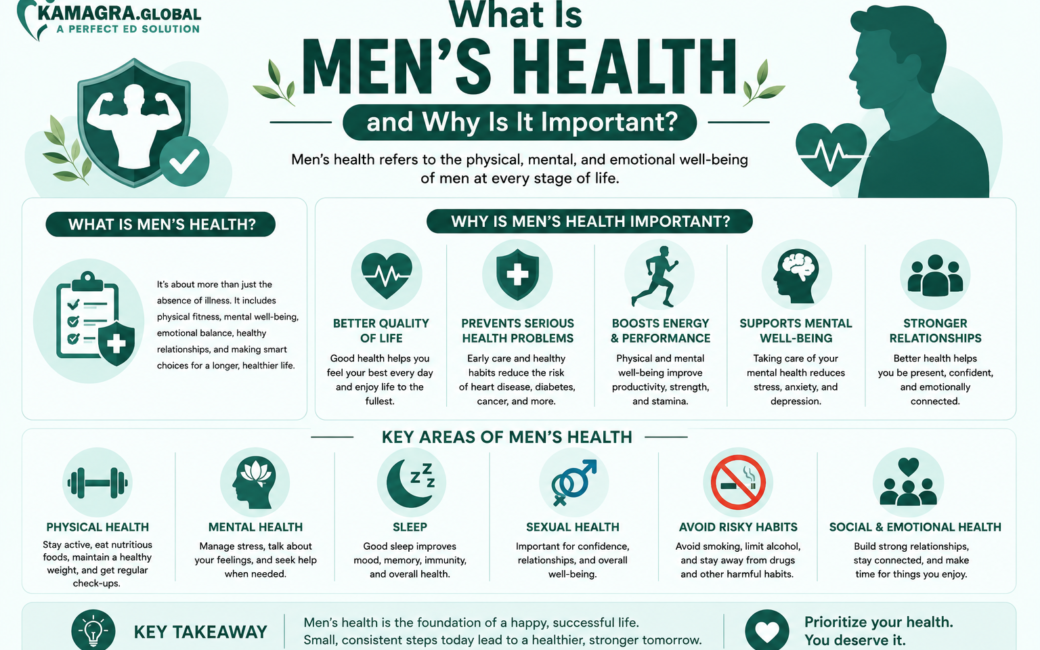
What Is Men’s Health and Why Is It Important?
Men’s health is a vital aspect of overall well-being that encompasses not just physical health, but also mental and emotional health. It’s essential to recognize the importance of men’s health, as it plays a significant role in maintaining quality of life, relationships, and productivity. In this article, we’ll delve into the world of men’s health, exploring what it entails, why it’s crucial, and how to maintain it.
What Is Men’s Health?
Men’s health refers to the overall health and well-being of men, including physical, mental, and emotional health. It encompasses a wide range of aspects, including:
- Physical Health: This includes cardiovascular health, nutrition, fitness, and disease prevention. Regular exercise, healthy eating, and adequate sleep are essential for maintaining physical health.
- Mental Health: Mental health is just as important as physical health. It includes emotional well-being, stress management, and cognitive function. Mental health issues, such as anxiety and depression, can have a significant impact on overall health.
- Emotional Health: Emotional health is closely linked to mental health and refers to the ability to recognize, understand, and manage emotions. Emotional intelligence, self-awareness, and healthy relationships are all aspects of emotional health.
Why Is Men’s Health Important?
Men’s health is essential for several reasons:
- Quality of Life: Good health is essential for enjoying life to the fullest. When men prioritize their health, they’re more likely to engage in activities they love, build strong relationships, and pursue their passions.
- Productivity: Men’s health plays a significant role in productivity, both personally and professionally. When men are healthy, they’re more likely to be productive, motivated, and focused.
- Relationships: Healthy men are more likely to build and maintain strong, healthy relationships with family and friends. This, in turn, can have a positive impact on mental and emotional health.
- Prevention: Prioritizing men’s health can help prevent chronic diseases, such as heart disease, diabetes, and certain types of cancer. Regular health check-ups, screenings, and preventative care can help identify potential issues early on.
Common Health Issues Affecting Men
Men are more likely to experience certain health issues, including:
- Heart Disease: Heart disease is a leading cause of death among men. Factors such as high blood pressure, high cholesterol, and smoking can increase the risk of heart disease.
- Prostate Cancer: Prostate cancer is a common type of cancer affecting men, particularly those over 50. Regular screenings and check-ups can help identify prostate cancer early on.
- Depression and Anxiety: Mental health issues, such as depression and anxiety, can have a significant impact on men’s health. Recognizing the signs and seeking help is essential for maintaining mental well-being.
- Testosterone Deficiency: Low testosterone levels can affect men’s health, leading to issues such as low libido, fatigue, and decreased muscle mass.
Tips for Maintaining Men’s Health
Here are some tips for maintaining men’s health:
- Regular Health Check-Ups: Regular health check-ups can help identify potential issues early on. Schedule annual check-ups with your doctor to stay on top of your health.
- Healthy Eating: A balanced diet rich in fruits, vegetables, whole grains, and lean protein can help maintain physical health. Limit processed foods, sugar, and saturated fats.
- Exercise Regularly: Regular exercise can help maintain physical health, reduce stress, and boost mood. Aim for at least 30 minutes of moderate-intensity exercise per day.
- Stay Hydrated: Drinking plenty of water can help maintain physical health, boost energy, and support cognitive function. Aim for at least 8 cups (64 ounces) of water per day.
- Get Enough Sleep: Adequate sleep is essential for physical and mental health. Aim for 7-9 hours of sleep per night to help your body and mind recharge.
- Manage Stress: Chronic stress can have a negative impact on men’s health. Engage in stress-reducing activities, such as yoga, meditation, or deep breathing exercises, to help manage stress.
- Don’t Smoke: Smoking is a significant risk factor for chronic diseases, such as heart disease and certain types of cancer. Quitting smoking can greatly improve men’s health.
Conclusion
Men’s health is a vital aspect of overall well-being that encompasses physical, mental, and emotional health. By prioritizing men’s health, individuals can maintain quality of life, productivity, and strong relationships. Regular health check-ups, healthy eating, exercise, and stress management are all essential for maintaining men’s health. By taking proactive steps to prioritize men’s health, individuals can reduce the risk of chronic diseases and improve overall well-being.
It’s essential to recognize that men’s health is not just about physical health; it’s also about mental and emotional well-being. By acknowledging the importance of men’s health and taking proactive steps to maintain it, individuals can live healthier, happier, and more fulfilling lives.
Additional Resources
For more information on men’s health, visit the following resources:
- Centers for Disease Control and Prevention (CDC) – Men’s Health
- World Health Organization (WHO) – Male Health
- Healthline – Men’s Health