


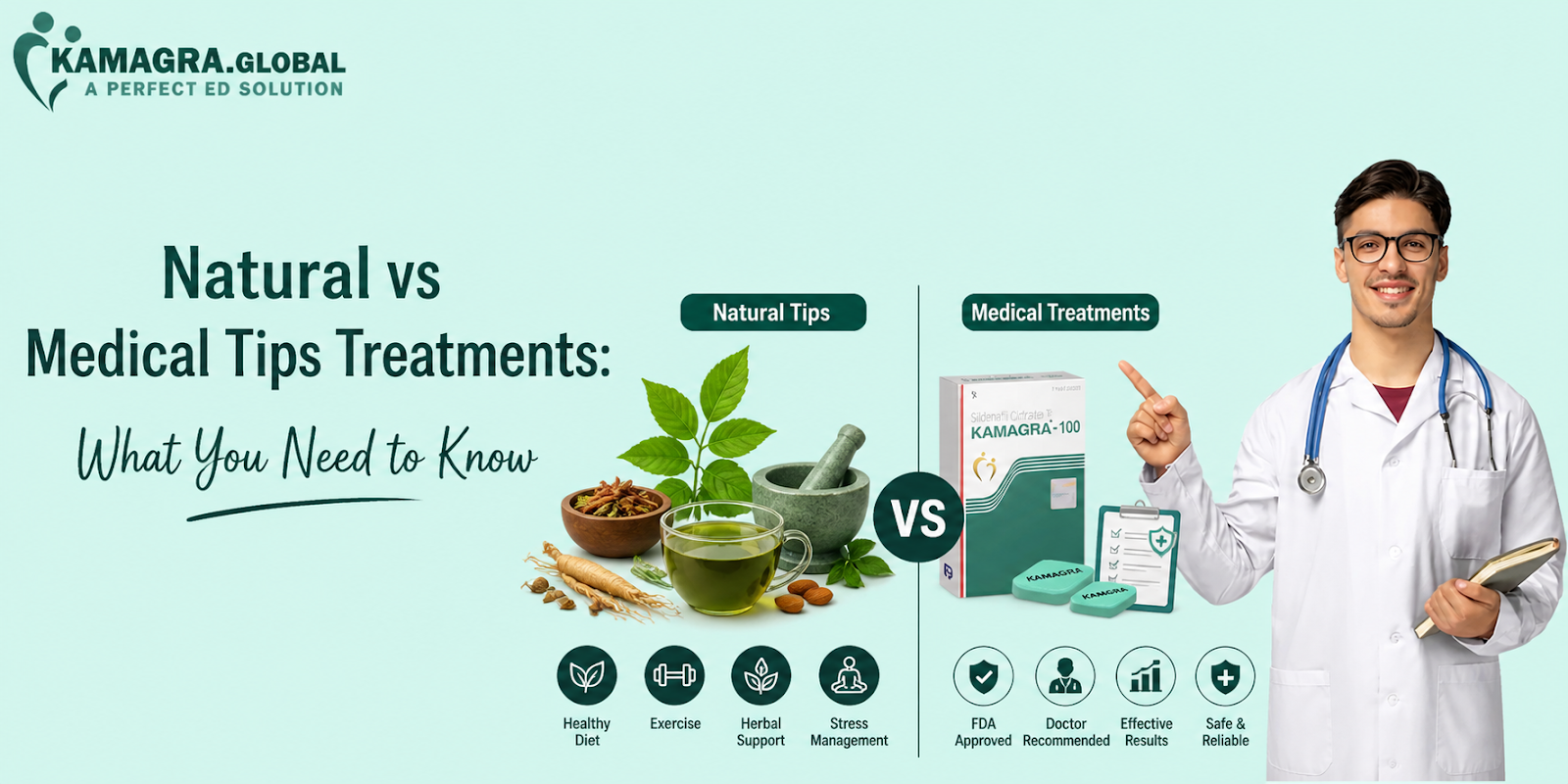
Natural vs Medical Tips Treatments: What You Need to Know
When it comes to treating various health conditions, individuals often find themselves at a crossroads, torn between natural and medical tips treatments. While both approaches have their own set of benefits and drawbacks, it’s essential to understand the differences and similarities between them to make informed decisions about your health. In this blog, we’ll delve into the world of natural and medical treatments, exploring their distinct characteristics, advantages, and potential risks.
Natural Treatments: The Holistic Approach
Natural treatments, also known as alternative or complementary therapies, focus on promoting overall wellness and balance in the body. These approaches often involve lifestyle modifications, such as changes in diet, exercise, and stress management, as well as the use of herbal supplements, acupuncture, and other non-invasive techniques. The primary goal of natural treatments is to stimulate the body’s innate healing abilities, rather than relying solely on pharmaceuticals or surgical interventions.
Some popular natural treatments include:
- Aromatherapy
- Herbalism
- Meditation and mindfulness
- Yoga and tai chi
- Dietary changes, such as adopting a vegan or gluten-free diet
Medical Treatments: The Conventional Approach
Medical treatments, on the other hand, typically involve the use of pharmaceuticals, surgery, or other conventional therapies to diagnose and treat specific health conditions. These approaches are often evidence-based and backed by scientific research, providing a more targeted and effective solution for various ailments. Medical treatments can be further divided into two categories: preventative and curative.
Some common medical treatments include:
- Prescription medications, such as antibiotics or painkillers
- Surgical procedures, such as appendectomies or joint replacements
- Vaccinations and immunizations
- Chemotherapy and radiation therapy for cancer treatment
- Hormone replacement therapy (HRT) for menopausal symptoms
Comparing Natural and Medical Treatments
While natural and medical treatments differ in their approaches, they share a common goal: to improve overall health and well-being. The choice between these two options ultimately depends on individual circumstances, including the severity of the condition, personal preferences, and medical history.
Some key differences between natural and medical treatments include:
- Side effects: Natural treatments tend to have fewer side effects compared to medical treatments, which can sometimes cause adverse reactions or interactions with other medications.
- Cost: Natural treatments are often less expensive than medical treatments, which can be costly, especially if they involve hospitalization or surgical procedures.
- Efficacy: Medical treatments are often more effective in treating acute conditions or emergencies, while natural treatments may be more suitable for chronic or preventative care.
Integrating Natural and Medical Treatments
In many cases, the most effective approach involves combining natural and medical treatments. This integrated approach can provide a more comprehensive and holistic treatment plan, addressing both the physical and emotional aspects of health.
Some examples of integrated treatments include:
- Using acupuncture or meditation to manage stress and anxiety while undergoing medical treatment for a chronic condition
- Combining dietary changes with pharmaceuticals to manage symptoms of a disease
- Incorporating herbal supplements into a treatment plan, under the guidance of a healthcare professional
Conclusion
In conclusion, natural and medical treatments offer distinct approaches to health and wellness. While natural treatments focus on promoting overall balance and wellness, medical treatments provide targeted solutions for specific health conditions. By understanding the differences and similarities between these two approaches, individuals can make informed decisions about their health and develop a treatment plan that best suits their needs.
Ultimately, the key to achieving optimal health lies in finding a balance between natural and medical treatments, and working closely with healthcare professionals to develop a personalized treatment plan. By embracing this integrated approach, individuals can take a proactive role in their health and well-being, and cultivate a deeper understanding of the complex relationships between body, mind, and spirit.