


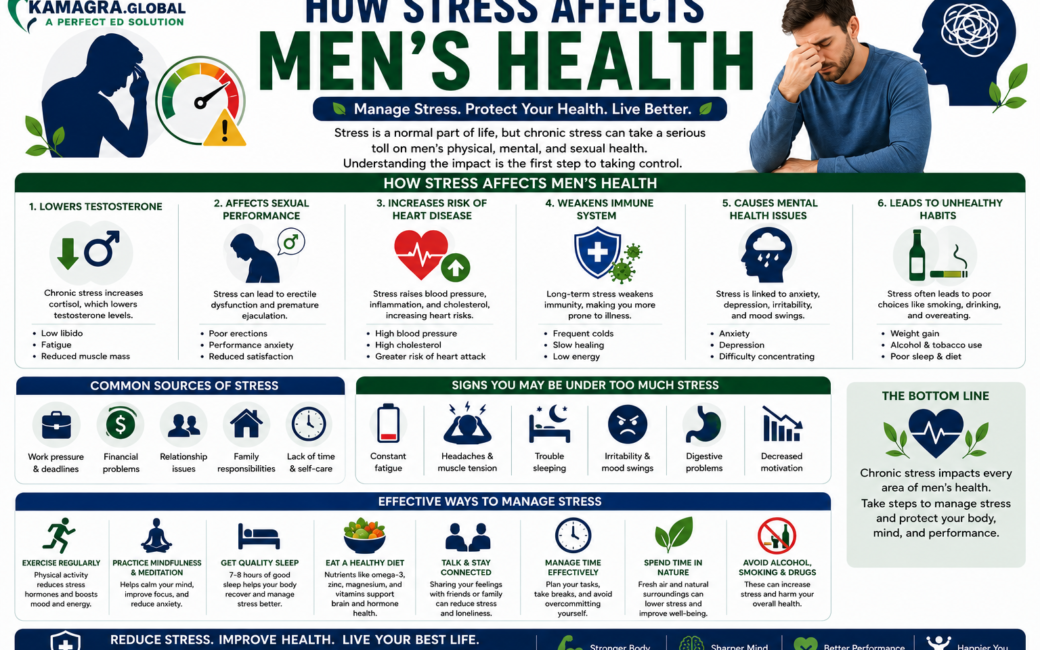
How Stress Affects Men’s Health
Stress is a natural part of life, and it can affect anyone, regardless of age, occupation, or background. However, men are often more likely to experience stress due to their traditional roles as breadwinners and providers. Chronic stress can have a significant impact on men’s health, affecting not only their mental well-being but also their physical health and relationships. In this article, we will explore the effects of stress on men’s health and provide tips on how to manage stress and maintain a healthy lifestyle.
The Impact of Stress on Mental Health
Stress can have a profound impact on men’s mental health, leading to anxiety, depression, and other mental health issues. When men experience stress, their bodies release stress hormones such as cortisol and adrenaline, which can interfere with their mood, appetite, and sleep patterns. Chronic stress can lead to:
- Anxiety and depression: Stress can contribute to the development of anxiety and depression in men, which can affect their self-esteem, relationships, and overall quality of life.
- Mood swings: Stress can cause mood swings, irritability, and frustration, which can be challenging for men to manage and can affect their relationships with family and friends.
- Sleep disorders: Stress can disrupt sleep patterns, leading to insomnia, sleep apnea, and other sleep disorders, which can further exacerbate stress and mental health issues.
The Impact of Stress on Physical Health
Stress can also have a significant impact on men’s physical health, increasing the risk of chronic diseases such as heart disease, diabetes, and obesity. When men experience chronic stress, their bodies undergo a series of physiological changes that can affect their physical health, including:
- Increased blood pressure: Chronic stress can lead to increased blood pressure, which can increase the risk of heart disease, stroke, and kidney disease.
- Weight gain: Stress can lead to overeating and weight gain, which can increase the risk of obesity, diabetes, and other health problems.
- Weakened immune system: Chronic stress can weaken the immune system, making men more susceptible to illnesses and infections.
The Impact of Stress on Relationships
Stress can also affect men’s relationships with family and friends, leading to conflict, communication breakdowns, and social isolation. When men experience chronic stress, they may become:
- Withdrawn and isolated: Stress can cause men to withdraw from social interactions and relationships, leading to feelings of loneliness and isolation.
- Irritable and short-tempered: Stress can cause men to become irritable and short-tempered, leading to conflict and communication breakdowns in relationships.
- Distracted and preoccupied: Stress can cause men to become distracted and preoccupied, leading to difficulties in maintaining focus and engagement in relationships.
Managing Stress and Maintaining a Healthy Lifestyle
Fortunately, there are many ways to manage stress and maintain a healthy lifestyle. Here are some tips:
- Exercise regularly: Regular exercise can help reduce stress and anxiety, improve mood, and boost self-esteem.
- Practice relaxation techniques: Techniques such as meditation, deep breathing, and yoga can help reduce stress and promote relaxation.
- Connect with others: Building and maintaining social connections with family and friends can help reduce stress and promote emotional well-being.
- Get enough sleep: Getting enough sleep is essential for managing stress and maintaining physical and mental health.
- Eat a healthy diet: Eating a balanced diet that includes plenty of fruits, vegetables, whole grains, and lean protein can help reduce stress and promote overall health and well-being.
Seeking Professional Help
If you are experiencing chronic stress or mental health issues, it is essential to seek professional help. A mental health professional can help you:
- Develop coping strategies: A mental health professional can help you develop coping strategies and techniques to manage stress and anxiety.
- Address underlying issues: A mental health professional can help you address underlying issues that may be contributing to your stress and mental health issues.
- Improve relationships: A mental health professional can help you improve your relationships with family and friends by developing healthy communication and conflict resolution skills.
Conclusion
Stress can have a significant impact on men’s health, affecting not only their mental well-being but also their physical health and relationships. However, by managing stress and maintaining a healthy lifestyle, men can reduce their risk of chronic diseases and mental health issues. If you are experiencing chronic stress or mental health issues, don’t hesitate to seek professional help. Remember, taking care of your mental and physical health is essential for maintaining a happy, healthy, and fulfilling life.