


Complete Guide to Premature Ejaculation: Causes, Symptoms, and Treatment Options
Premature ejaculation is a common sexual health issue that affects many men. It is characterized by ejaculation that occurs too quickly, often before or shortly after penetration. This can be frustrating and embarrassing for men, and can also affect their relationships and overall well-being. In this comprehensive guide, we will explore the causes, symptoms, and treatment options for premature ejaculation, providing you with the information you need to take control of your sexual health.
What is Premature Ejaculation?
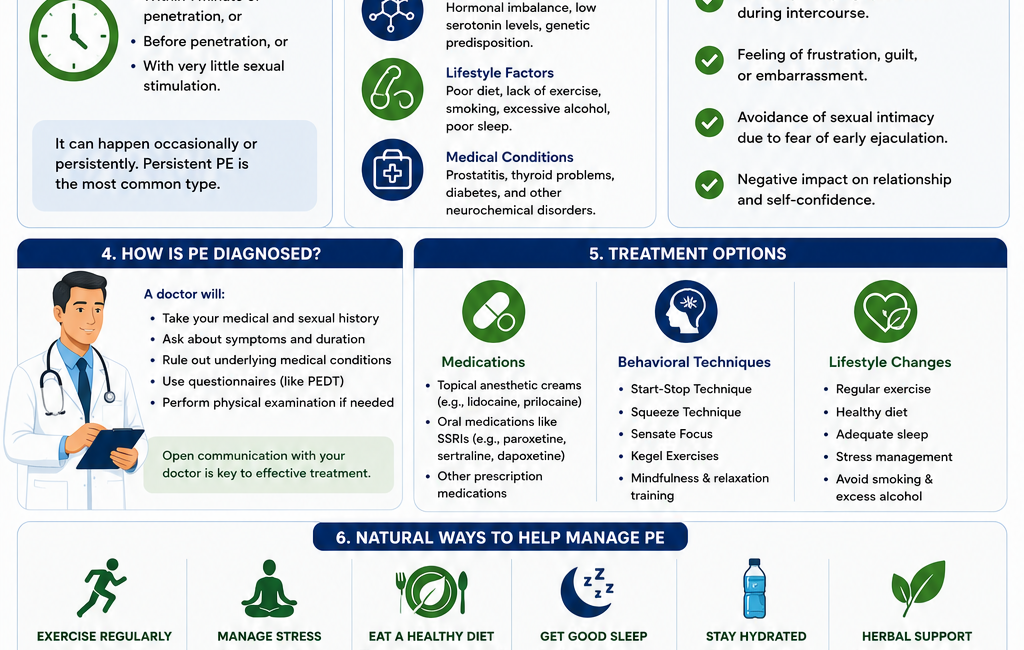
Premature ejaculation is a condition in which a man ejaculates too quickly, often before or shortly after penetration. The exact definition of premature ejaculation can vary, but it is generally considered to be ejaculation that occurs within 1-2 minutes of penetration. Premature ejaculation can be caused by a variety of factors, including psychological, physical, and hormonal factors.
Causes of Premature Ejaculation
Premature ejaculation can be caused by a variety of factors, including:
- Psychological factors: Anxiety, stress, and depression can all contribute to premature ejaculation. Men who experience performance anxiety or have a fear of failure may ejaculate too quickly in an effort to avoid embarrassment or disappointment.
- Physical factors: Certain medical conditions, such as prostate problems or neurological disorders, can cause premature ejaculation. Additionally, men who are overweight or have a sedentary lifestyle may be more likely to experience premature ejaculation.
- Hormonal factors: Hormonal imbalances, such as low testosterone or high cortisol levels, can contribute to premature ejaculation.
- Genetic factors: Some men may be more prone to premature ejaculation due to their genetic makeup.
Symptoms of Premature Ejaculation
The symptoms of premature ejaculation can vary, but may include:
- Ejaculation that occurs too quickly: This is the primary symptom of premature ejaculation, and can be frustrating and embarrassing for men.
- Loss of control: Men with premature ejaculation may feel like they have lost control over their ejaculation, and may be unable to delay or stop it.
- Anxiety and stress: Premature ejaculation can cause significant anxiety and stress, which can make the condition worse.
- Relationship problems: Premature ejaculation can affect relationships, causing feelings of frustration, anger, and disappointment.
Treatment Options for Premature Ejaculation
Fortunately, there are many treatment options available for premature ejaculation. These may include:
- Behavioral therapy: Behavioral therapy, such as cognitive-behavioral therapy (CBT), can help men identify and change negative thought patterns and behaviors that contribute to premature ejaculation.
- Medications: Certain medications, such as selective serotonin reuptake inhibitors (SSRIs), can help delay ejaculation and improve control.
- Topical treatments: Topical treatments, such as creams or sprays, can help numb the penis and reduce sensitivity, making it easier to delay ejaculation.
- Exercise and lifestyle changes: Exercise, such as Kegel exercises, can help improve control and delay ejaculation. Additionally, lifestyle changes, such as reducing stress and improving overall health, can also help.
Natural Remedies for Premature Ejaculation
In addition to medical treatment options, there are also several natural remedies that may help with premature ejaculation. These may include:
- Herbal supplements: Certain herbal supplements, such as ginseng and ashwagandha, may help improve control and delay ejaculation.
- Aromatherapy: Aromatherapy, such as using essential oils like lavender and chamomile, can help reduce stress and anxiety.
- Acupuncture: Acupuncture can help improve control and delay ejaculation by stimulating certain points on the body.
- Yoga and meditation: Yoga and meditation can help reduce stress and anxiety, and improve overall well-being.
How to Prevent Premature Ejaculation
While it may not be possible to completely prevent premature ejaculation, there are several steps that men can take to reduce their risk. These may include:
- Practicing relaxation techniques: Relaxation techniques, such as deep breathing and progressive muscle relaxation, can help reduce stress and anxiety.
- Improving overall health: Improving overall health, such as maintaining a healthy weight and exercising regularly, can help reduce the risk of premature ejaculation.
- Avoiding certain medications: Certain medications, such as antidepressants and blood pressure medications, can contribute to premature ejaculation. Avoiding these medications or talking to a doctor about alternative options can help.
- Communicating with partners: Communicating openly and honestly with partners can help reduce stress and anxiety, and improve overall relationships.
Conclusion
Premature ejaculation is a common sexual health issue that affects many men. While it can be frustrating and embarrassing, there are many treatment options available. By understanding the causes, symptoms, and treatment options for premature ejaculation, men can take control of their sexual health and improve their overall well-being. Remember, premature ejaculation is not a reflection of a man’s worth or masculinity, and seeking help is the first step towards a healthier and happier sex life.
If you are experiencing premature ejaculation, don’t hesitate to reach out to a healthcare professional for help. With the right treatment and support, you can overcome premature ejaculation and enjoy a fulfilling and satisfying sex life.
FAQs
Here are some frequently asked questions about premature ejaculation:
- Q: What is the best treatment for premature ejaculation? A: The best treatment for premature ejaculation will depend on the underlying cause and individual circumstances. Behavioral therapy, medications, and lifestyle changes can all be effective.
- Q: Can premature ejaculation be cured? A: While premature ejaculation can be treated and managed, it may not be possible to completely cure it. However, with the right treatment and support, men can improve their control and delay ejaculation.
- Q: Is premature ejaculation a sign of a underlying medical condition? A: In some cases, premature ejaculation can be a sign of an underlying medical condition, such as a prostate problem or neurological disorder. A healthcare professional can help determine the underlying cause of premature ejaculation.