


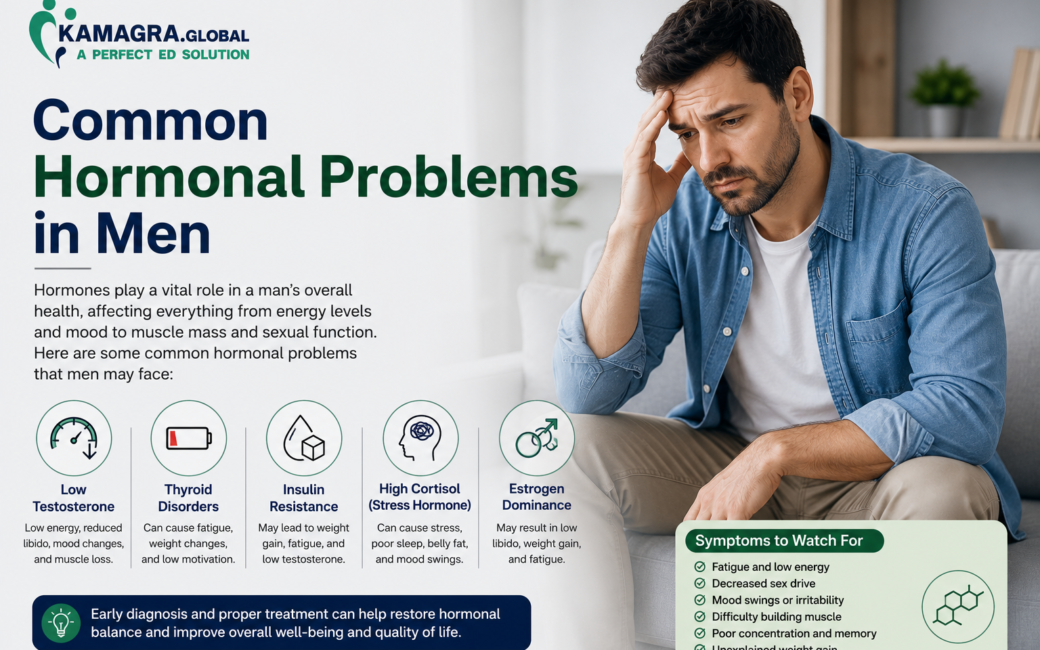
Common Hormonal Problems in Men
Hormonal balance is essential for maintaining overall health, and men can experience a range of hormonal problems that can affect their quality of life. Hormones play a crucial role in regulating various bodily functions, including growth, development, metabolism, and reproductive processes. In this article, we will discuss the common hormonal problems affecting men, their symptoms, causes, and treatment options.
1. Low Testosterone (Hypogonadism)
- Decreased sex drive
- Erectile dysfunction
- Low energy levels
- Weight gain
- Mood changes, such as depression and anxiety
The causes of low testosterone can be primary (testicular failure) or secondary (pituitary or hypothalamic dysfunction). Treatment options for low testosterone include testosterone replacement therapy (TRT), which can be administered through injections, gels, or patches.
2. Thyroid Disorders
The thyroid gland produces hormones that regulate metabolism, growth, and development. Thyroid disorders, such as hypothyroidism (underactive thyroid) and hyperthyroidism (overactive thyroid), can affect men and cause a range of symptoms, including:
- Weight changes
- Fatigue
- Mood changes, such as depression and anxiety
- Changes in appetite and sleep patterns
- Thinning hair and dry skin
The causes of thyroid disorders can be autoimmune (Hashimoto’s thyroiditis), iodine deficiency, or radiation exposure. Treatment options for thyroid disorders include medication, such as levothyroxine, and radioactive iodine therapy.
3. Adrenal Fatigue
The adrenal glands produce hormones that help regulate stress response, such as cortisol and adrenaline. Adrenal fatigue, also known as adrenal insufficiency, occurs when the adrenal glands are unable to produce adequate amounts of these hormones. The symptoms of adrenal fatigue include:
- Fatigue and lethargy
- Insomnia and sleep disturbances
- Weight gain and metabolic changes
- Mood changes, such as depression and anxiety
- Cravings for salty or sweet foods
The causes of adrenal fatigue can be chronic stress, sleep deprivation, or certain medical conditions, such as Addison’s disease. Treatment options for adrenal fatigue include stress management techniques, such as meditation and yoga, and nutritional supplements, such as vitamin C and ashwagandha.
4. Polycystic Ovary Syndrome (PCOS)-like Syndrome in Men
PCOS is a hormonal disorder that affects women, but men can experience similar symptoms, such as insulin resistance, high blood pressure, and low testosterone. The symptoms of PCOS-like syndrome in men include:
- Weight gain and metabolic changes
- Acne and skin problems
- Male pattern baldness
- Low sperm count and infertility
- Mood changes, such as depression and anxiety
The causes of PCOS-like syndrome in men can be genetic, environmental, or hormonal imbalances. Treatment options for PCOS-like syndrome in men include lifestyle changes, such as diet and exercise, and medication, such as metformin and testosterone replacement therapy.
5. Prolactinoma
Prolactinoma is a rare hormonal disorder that affects the pituitary gland, causing an overproduction of prolactin. The symptoms of prolactinoma include:
- Galactorrhea (spontaneous milk production)
- Infertility and erectile dysfunction
- Headaches and vision changes
- Mood changes, such as depression and anxiety
The causes of prolactinoma can be a benign tumor in the pituitary gland or certain medications. Treatment options for prolactinoma include medication, such as bromocriptine, and surgery to remove the tumor.
Diagnosis and Treatment of Hormonal Problems in Men
Diagnosing hormonal problems in men requires a comprehensive medical evaluation, including:
- Physical examination
- Medical history
- Laboratory tests, such as blood work and hormone level tests
- Imaging studies, such as MRI or CT scans
Treatment options for hormonal problems in men depend on the underlying cause and severity of the condition. Lifestyle changes, such as diet and exercise, can help alleviate symptoms, while medication and hormone replacement therapy may be necessary to restore hormonal balance.
Preventing Hormonal Problems in Men
Preventing hormonal problems in men requires a healthy lifestyle, including:
-
- A balanced diet rich in fruits, vegetables, and whole grains
- Adequate sleep and stress management
- Avoiding tobacco and excessive alcohol consumption
Regular health check-ups and screenings can help detect hormonal problems early, allowing for prompt treatment and prevention of long-term complications.
Conclusion
Hormonal problems in men can have a significant impact on overall health and quality of life. By understanding the common hormonal issues affecting men, their symptoms, causes, and treatment options, men can take proactive steps to maintain hormonal balance and prevent long-term complications. If you are experiencing symptoms of a hormonal problem, consult with your healthcare provider to determine the best course of treatment and develop a personalized plan to achieve optimal health and wellness.