



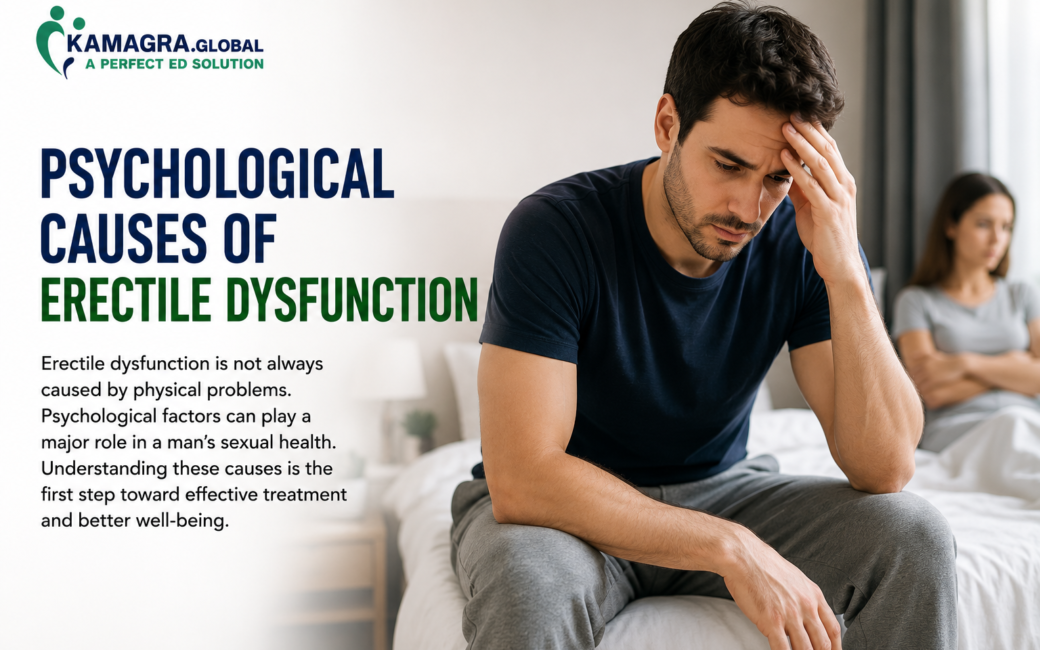
Psychological Causes of Erectile Dysfunction
Erectile dysfunction (ED) is a common condition that affects millions of men worldwide. While it is often associated with physical causes such as diabetes, high blood pressure, and cardiovascular disease, psychological factors can also play a significant role in the development of ED. In fact, studies have shown that up to 20% of cases of ED are caused by psychological factors.
What are the psychological causes of erectile dysfunction?
There are several psychological causes of ED, including:
- Stress and anxiety: High levels of stress and anxiety can interfere with a man’s ability to achieve and maintain an erection. This is because stress and anxiety can cause the blood vessels to constrict, reducing blood flow to the penis.
- Low self-esteem: Men with low self-esteem may feel anxious or inadequate about their ability to perform sexually, leading to ED.
- Performance anxiety: The pressure to perform sexually can cause anxiety and stress, leading to ED. This is especially common in men who are new to a relationship or who have had previous experiences of ED.
- Relationship issues: Relationship problems such as conflict, lack of communication, and intimacy issues can contribute to ED.
- Depression: Depression can cause a range of symptoms, including ED. This is because depression can affect a man’s libido and ability to achieve and maintain an erection.
How do psychological causes of ED affect men?
The psychological causes of ED can have a significant impact on a man’s quality of life. ED can cause feelings of embarrassment, shame, and anxiety, leading to a decrease in self-esteem and confidence. This can also affect a man’s relationships, causing tension and conflict with his partner.
What are the symptoms of psychological ED?
The symptoms of psychological ED can vary, but may include:
- Difficulty achieving or maintaining an erection: This is the most common symptom of ED.
- Reduced libido: Men with psychological ED may experience a decrease in their sex drive.
- Anxiety or stress during sex: Men with psychological ED may feel anxious or stressed during sex, leading to ED.
- Avoidance of sex: Men with psychological ED may avoid sex due to feelings of anxiety or inadequacy.
How is psychological ED diagnosed?
Diagnosing psychological ED can be challenging, as it requires a comprehensive understanding of a man’s physical and psychological health. A doctor may use a range of techniques to diagnose psychological ED, including:
- Physical examination: A physical examination can help to rule out any underlying physical causes of ED.
- Medical history: A doctor will take a detailed medical history to identify any underlying medical conditions that may be contributing to ED.
- Psychological evaluation: A psychological evaluation can help to identify any underlying psychological causes of ED, such as anxiety or depression.
- Questionnaires and surveys: A doctor may use questionnaires and surveys to assess a man’s symptoms and determine the severity of his ED.
What are the treatment options for psychological ED?
Treatment for psychological ED typically involves a combination of psychological therapy and lifestyle changes. Some common treatment options include:
- Cognitive behavioral therapy (CBT): CBT is a type of therapy that helps men to identify and change negative thought patterns and behaviors that contribute to ED.
- Sex therapy: Sex therapy can help men to address any underlying issues that may be contributing to ED, such as intimacy issues or performance anxiety.
- Relaxation techniques: Relaxation techniques such as deep breathing, meditation, and yoga can help to reduce stress and anxiety, improving ED symptoms.
- Lifestyle changes: Making healthy lifestyle changes such as exercising regularly, eating a healthy diet, and getting enough sleep can help to improve ED symptoms.
- Medications: In some cases, medications such as phosphodiesterase type 5 (PDE5) inhibitors may be prescribed to help improve ED symptoms.
How can men overcome psychological ED?
Overcoming psychological ED requires a commitment to addressing the underlying psychological causes of the condition. Here are some tips that can help:
- Seek professional help: Seeking help from a mental health professional or a sex therapist can provide men with the support and guidance they need to overcome psychological ED.
- Practice relaxation techniques: Practicing relaxation techniques such as deep breathing, meditation, and yoga can help to reduce stress and anxiety, improving ED symptoms.
- Improve communication with your partner: Improving communication with your partner can help to address any relationship issues that may be contributing to ED.
- Focus on intimacy: Focusing on intimacy and emotional connection with your partner can help to improve ED symptoms.
- Make healthy lifestyle changes: Making healthy lifestyle changes such as exercising regularly, eating a healthy diet, and getting enough sleep can help to improve ED symptoms.
Conclusion
Psychological ED is a common condition that can have a significant impact on a man’s quality of life. By understanding the psychological causes of ED and seeking professional help, men can overcome this condition and improve their overall health and wellbeing. Remember, ED is not a sign of weakness, and seeking help is the first step towards recovery.
