


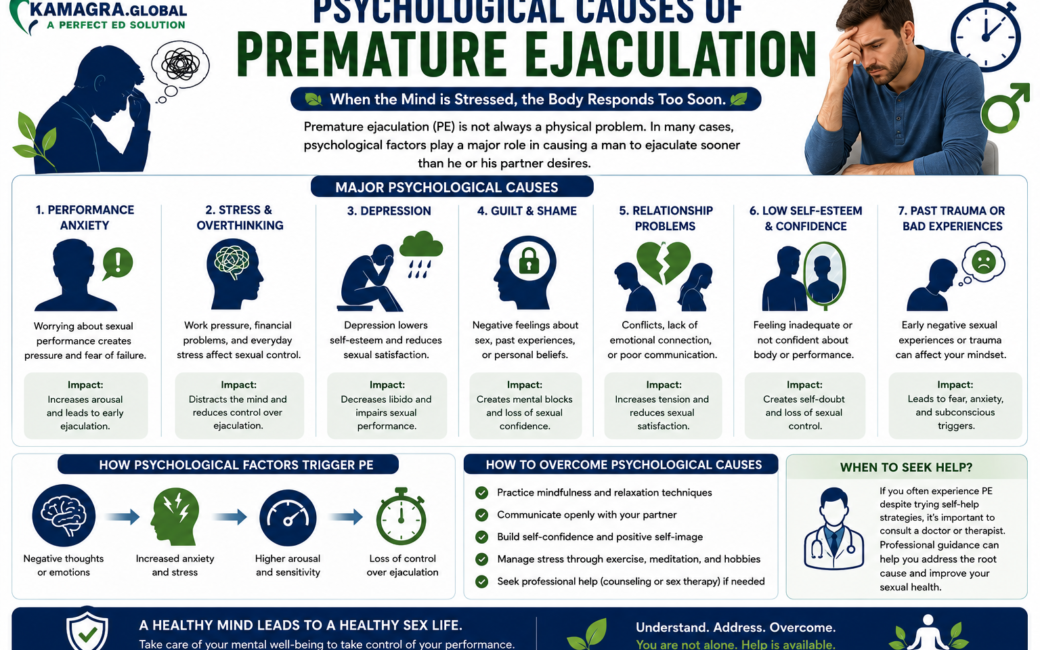
Understanding the Psychological Causes of Premature Ejaculation
Premature ejaculation (PE) is a common sexual health issue that affects millions of men worldwide. While it is often perceived as a physical problem, research suggests that psychological factors play a significant role in the development and maintenance of PE. In this article, we will delve into the psychological causes of premature ejaculation and explore the mind-body connection that can impact your sex life.
The Mind-Body Connection: How Psychological Factors Contribute to PE
The mind-body connection refers to the complex interplay between our thoughts, emotions, and physical responses. When it comes to sex, this connection can be particularly significant. Our brain processes sensory information, emotions, and memories, which can either enhance or hinder our sexual performance. In the case of PE, psychological factors can contribute to the condition in several ways:
- Stress and Anxiety: High levels of stress and anxiety can lead to PE. When we experience stress, our body’s “fight or flight” response is triggered, causing our heart rate and blood pressure to increase. This can lead to a faster ejaculation.
- Performance Anxiety: The pressure to perform well in bed can create anxiety, which can contribute to PE. Men may feel like they need to last longer or satisfy their partner, leading to increased stress and tension.
- Trauma and Past Experiences: Traumatic experiences, such as childhood abuse or past relationship issues, can lead to emotional and psychological scars. These scars can manifest as PE, as the body may associate sex with feelings of guilt, shame, or anxiety.
- Lack of Emotional Intimacy: A lack of emotional intimacy with one’s partner can contribute to PE. When we don’t feel connected to our partner, we may experience feelings of disconnection, leading to a quicker ejaculation.
Cognitive-Behavioral Therapy (CBT) and Sex Therapy: Effective Solutions for PE
Cognitive-behavioral therapy (CBT) and sex therapy are two effective approaches to addressing the psychological causes of PE. These therapies focus on identifying and changing negative thought patterns, behaviors, and emotions that contribute to the condition.
CBT can help individuals:
- Identify and challenge negative self-talk and catastrophic thinking patterns
- Develop coping skills and strategies to manage stress and anxiety
- Improve communication with their partner and build emotional intimacy
Sex therapy, on the other hand, can help individuals:
- Develop a healthier attitude towards sex and their body
- Learn relaxation techniques and mindfulness practices to reduce anxiety and tension
- Improve their sexual technique and performance through education and practice
Additional Strategies for Overcoming PE
In addition to CBT and sex therapy, there are several other strategies that can help individuals overcome PE:
- Relaxation Techniques: Practices such as deep breathing, progressive muscle relaxation, and mindfulness meditation can help reduce stress and anxiety.
- Exercise and Physical Activity: Regular exercise can help reduce stress and improve overall physical and mental health.
- Communication with Your Partner: Open and honest communication with your partner can help build emotional intimacy and reduce performance anxiety.
- Sensate Focus Exercises: These exercises involve focusing on the sensations in your body during sex, rather than the goal of orgasm. This can help you become more aware of your body and reduce anxiety.
Conclusion
Premature ejaculation is a complex issue that involves both physical and psychological factors. By understanding the mind-body connection and the role of stress, anxiety, and trauma in PE, individuals can take the first step towards overcoming the condition. CBT, sex therapy, and additional strategies such as relaxation techniques, exercise, and communication with your partner can all be effective in addressing the psychological causes of PE. Remember, seeking help and support is the first step towards a healthier and more fulfilling sex life.
If you’re struggling with premature ejaculation, don’t hesitate to reach out to a healthcare professional or a licensed therapist. With the right guidance and support, you can overcome PE and develop a more positive and fulfilling relationship with your body and your partner.