


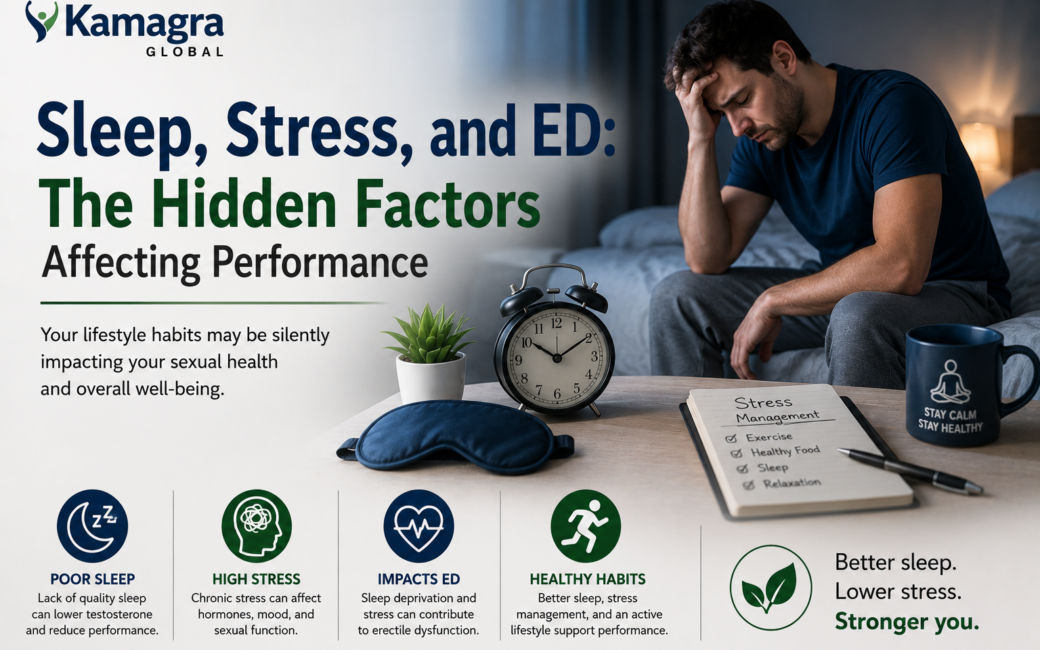
Sleep, Stress, and ED: The Hidden Factors Affecting Performance
When it comes to performance, whether it’s in the bedroom or in other areas of life, there are many factors that can affect our ability to function at our best. While some factors, such as diet and exercise, are well-known, there are other hidden factors that can have a significant impact on our performance. In this article, we’ll explore the hidden factors of sleep, stress, and erectile dysfunction (ED), and how they can affect our overall well-being and performance.
The Importance of Sleep
Sleep is essential for our overall health and well-being. During sleep, our bodies repair and recharge, and our brains process and consolidate memories. Sleep also plays a critical role in regulating our hormones, including testosterone, which is essential for sexual function. Chronic sleep deprivation can lead to a range of problems, including fatigue, decreased libido, and erectile dysfunction.
Research has shown that sleep deprivation can affect our performance in many areas of life. For example, a study by the National Sleep Foundation found that sleep-deprived individuals were more likely to experience decreased productivity, increased errors, and decreased reaction time. Additionally, sleep deprivation can also affect our mood, leading to increased stress and anxiety, which can further exacerbate performance problems.
The Impact of Stress
Stress is another hidden factor that can affect our performance. Chronic stress can lead to a range of problems, including anxiety, depression, and erectile dysfunction. When we’re under stress, our bodies produce cortisol, a hormone that can disrupt our normal bodily functions, including our sex drive. High levels of cortisol can also lead to decreased testosterone levels, which can further exacerbate erectile dysfunction.
Stress can also affect our performance in other areas of life. For example, a study by the American Psychological Association found that stress can lead to decreased productivity, increased absenteeism, and decreased job satisfaction. Additionally, stress can also affect our relationships, leading to increased conflict and decreased intimacy.
The Relationship Between ED and Performance
Erectile dysfunction (ED) is a common problem that can affect our performance in the bedroom. ED is defined as the inability to achieve or maintain an erection sufficient for satisfactory sexual performance. While ED can be caused by a range of factors, including underlying medical conditions, it can also be caused by lifestyle factors, such as poor diet, lack of exercise, and smoking.
ED can have a significant impact on our self-esteem and confidence, leading to decreased performance in other areas of life. For example, a study by the Journal of Sexual Medicine found that men with ED were more likely to experience decreased self-esteem, decreased intimacy, and decreased overall satisfaction with their relationships. Additionally, ED can also affect our mental health, leading to increased anxiety and depression.
The Connection Between Sleep, Stress, and ED
There is a complex relationship between sleep, stress, and ED. Chronic sleep deprivation can lead to increased stress, which can further exacerbate ED. Additionally, ED can also lead to increased stress, which can further disrupt our sleep patterns. This can create a vicious cycle, where sleep deprivation, stress, and ED all feed into each other, leading to decreased performance and overall well-being.
For example, a study by the Journal of Clinical Sleep Medicine found that men with ED were more likely to experience sleep disturbances, including insomnia and sleep apnea. Additionally, a study by the Journal of Sexual Medicine found that men with ED were more likely to experience increased stress, including anxiety and depression.
Breaking the Cycle: Tips for Improving Sleep, Reducing Stress, and Enhancing Performance
Fortunately, there are many ways to break the cycle of sleep deprivation, stress, and ED. Here are some tips for improving sleep, reducing stress, and enhancing performance:
- Establish a consistent sleep schedule: Go to bed and wake up at the same time every day, including weekends.
- Create a relaxing bedtime routine: Avoid screens and electronic devices before bed, and engage in relaxing activities, such as reading or meditation.
- Get regular exercise: Exercise can help reduce stress and improve sleep quality. Aim for at least 30 minutes of moderate-intensity exercise per day.
- Practice stress-reducing techniques: Try techniques such as deep breathing, yoga, or mindfulness meditation to help manage stress.
- Seek professional help: If you’re experiencing chronic sleep deprivation, stress, or ED, seek help from a qualified healthcare professional.
Conclusion
In conclusion, sleep, stress, and ED are all interconnected factors that can affect our performance in many areas of life. By understanding the complex relationship between these factors, we can take steps to improve our overall well-being and enhance our performance. By establishing a consistent sleep schedule, reducing stress, and seeking professional help when needed, we can break the cycle of sleep deprivation, stress, and ED, and achieve our full potential.
Remember, performance is not just about sexual function, but about overall well-being and quality of life. By prioritizing our health and well-being, we can achieve greater success and fulfillment in all areas of life.