


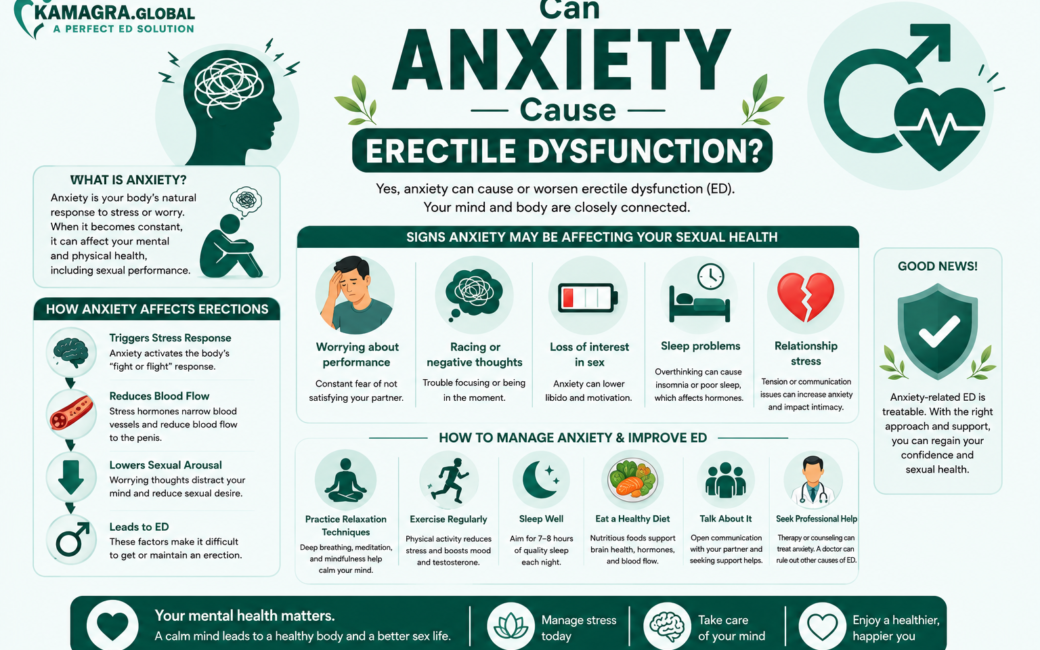
Can Anxiety Cause Erectile Dysfunction? Understanding the Connection
Anxiety and erectile dysfunction (ED) are two common health issues that can have a significant impact on a person’s quality of life. While they may seem like separate problems, research suggests that there is a strong link between anxiety and ED. In this article, we’ll explore the relationship between anxiety and erectile dysfunction, and discuss ways to manage anxiety’s impact on your sex life.
What is Erectile Dysfunction?
Erectile dysfunction, also known as impotence, is a condition where a man is unable to achieve or maintain an erection sufficient for satisfactory sexual performance. It’s estimated that over 30 million men in the United States experience ED, with the likelihood of developing the condition increasing with age.
What is Anxiety?
Anxiety is a common mental health condition characterized by feelings of worry, nervousness, and fear. It can manifest in different ways, such as generalized anxiety disorder, panic disorder, or social anxiety disorder. Anxiety can be triggered by various factors, including stress, trauma, or genetics.
The Link Between Anxiety and Erectile Dysfunction
Studies have shown that anxiety can contribute to the development of erectile dysfunction. When a man is anxious, his body responds by releasing stress hormones like adrenaline and cortisol. These hormones can disrupt the normal functioning of the body, including the blood flow and nerve signals necessary for an erection.
There are several ways in which anxiety can lead to ED:
- Performance anxiety: When a man is anxious about his ability to perform sexually, it can create a self-fulfilling prophecy. The more he worries about his performance, the more likely he is to experience ED.
- Stress and cortisol: Chronic stress and high cortisol levels can interfere with the production of testosterone, a hormone essential for male fertility and erectile function.
- Neurotransmitter imbalance: Anxiety can disrupt the balance of neurotransmitters like serotonin and dopamine, which play a crucial role in regulating sexual function and desire.
- Relationship issues: Anxiety can strain relationships, leading to conflicts and communication problems that can further exacerbate ED.
Other Factors That Contribute to Anxiety-Related ED
While anxiety is a significant contributor to ED, other factors can also play a role. These include:
- Depression: Like anxiety, depression can interfere with sexual function and lead to ED.
- Medications: Certain medications, such as antidepressants and blood pressure medications, can contribute to ED as a side effect.
- Lifestyle factors: A sedentary lifestyle, smoking, and excessive alcohol consumption can all increase the risk of ED.
- Underlying medical conditions: Conditions like diabetes, high blood pressure, and cardiovascular disease can damage blood vessels and nerves, making it more difficult to achieve an erection.
Managing Anxiety-Related ED
While anxiety can contribute to ED, there are several ways to manage its impact on your sex life. Here are some strategies to consider:
- Cognitive-behavioral therapy (CBT): CBT is a type of therapy that can help you identify and change negative thought patterns and behaviors that contribute to anxiety and ED.
- Mindfulness and relaxation techniques: Practicing mindfulness, meditation, or yoga can help you manage stress and anxiety, reducing their impact on your sex life.
- Exercise and physical activity: Regular exercise can improve blood flow, boost testosterone levels, and enhance overall sexual function.
- Communication with your partner: Open and honest communication with your partner can help you address relationship issues and reduce performance anxiety.
- Seeking professional help: If you’re experiencing persistent anxiety or ED, consider seeking help from a mental health professional or a sex therapist.
Natural Remedies for Anxiety-Related ED
In addition to the strategies mentioned above, there are several natural remedies that may help alleviate anxiety-related ED. These include:
- Herbal supplements: Herbs like ginseng, ashwagandha, and maca may help reduce anxiety and improve sexual function.
- Aromatherapy: Certain essential oils, such as lavender and chamomile, can promote relaxation and reduce stress.
- Acupuncture: This traditional Chinese medicine technique involves inserting small needles into specific points on the body to stimulate blood flow and reduce anxiety.
- Dietary changes: Eating a balanced diet rich in fruits, vegetables, whole grains, and lean proteins can help reduce inflammation and improve overall health.
Conclusion
Anxiety and erectile dysfunction are two complex health issues that can have a significant impact on a person’s quality of life. While anxiety can contribute to ED, there are many strategies and natural remedies available to manage its impact on your sex life. By addressing underlying anxiety and relationship issues, practicing mindfulness and relaxation techniques, and seeking professional help when needed, you can alleviate anxiety-related ED and improve your overall well-being.