



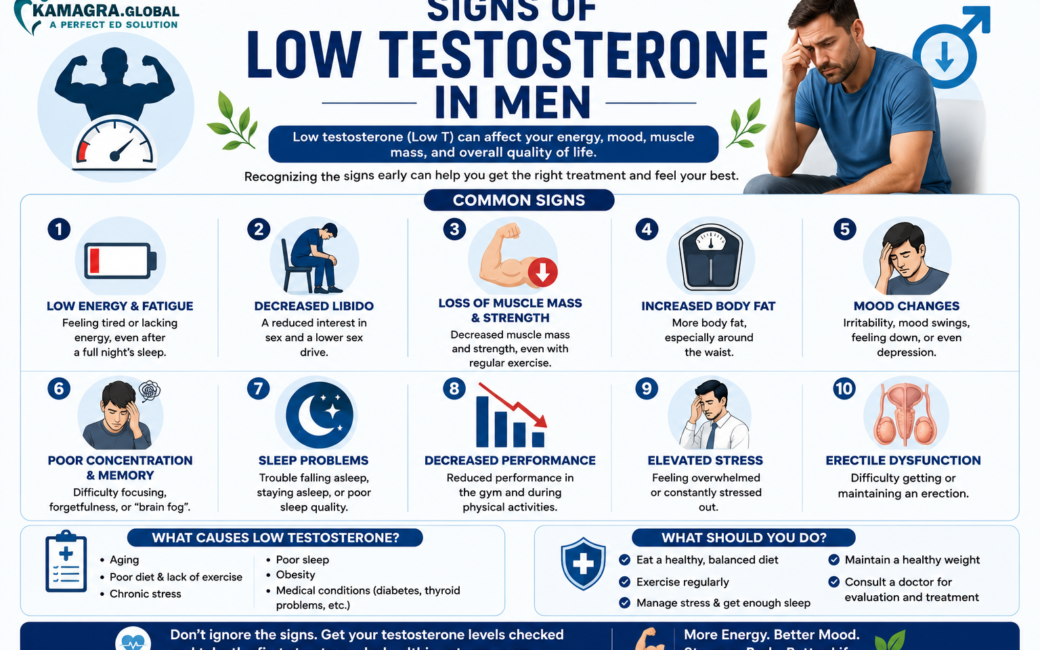
Signs of Low Testosterone in Men: Understanding the Symptoms and Treatment Options
Testosterone is a vital hormone that plays a crucial role in men’s health, affecting everything from sex drive to muscle mass. However, as men age, their testosterone levels naturally decline, which can lead to a range of symptoms and health issues. In this article, we’ll explore the common signs of low testosterone in men, its causes, and the available treatment options.
What is Low Testosterone?
Low testosterone, also known as hypogonadism, is a condition in which the testes do not produce enough testosterone. Testosterone is responsible for developing and maintaining male characteristics, such as facial hair, deep voice, and muscle mass. It also plays a role in regulating sex drive, sperm production, and bone density.
Causes of Low Testosterone
There are several factors that can contribute to low testosterone levels in men, including:
-
- Aging: Testosterone levels naturally decline with age, with most men experiencing a significant drop in testosterone levels after the age of 40.
- Obesity: Being overweight or obese can lead to low testosterone levels, as excess body fat can convert testosterone into estrogen.
- Chronic illnesses: Certain medical conditions, such as diabetes, HIV, and sleep apnea, can disrupt testosterone production.
- Injury or infection: Trauma to the testes or an infection, such as orchitis, can damage the testes and lead to low testosterone levels.
Signs and Symptoms of Low Testosterone
The symptoms of low testosterone can vary from man to man, but common signs include:
- Low libido: Decreased sex drive and interest in sex.
- Fatigue: Feeling tired, sluggish, or lacking energy.
- Weight gain: Unintended weight gain, particularly around the midsection.
- Mood changes: Depression, anxiety, or mood swings.
- Decreased muscle mass: Loss of muscle mass and strength.
- Decreased bone density: Osteoporosis or brittle bones.
- Decreased sperm count: Low sperm count or infertility.
- Erectile dysfunction: Difficulty achieving or maintaining an erection.
- Hot flashes: Sudden, intense feelings of heat.
Diagnosing Low Testosterone
To diagnose low testosterone, your doctor will typically perform a physical exam, take a medical history, and order blood tests to measure your testosterone levels. The blood tests will usually include:
- Total testosterone test: Measures the total amount of testosterone in the blood.
- Free testosterone test: Measures the amount of testosterone that is available to the body’s cells.
- Luteinizing hormone (LH) test: Measures the level of LH, which stimulates the testes to produce testosterone.
Treatment Options for Low Testosterone
Treatment for low testosterone depends on the underlying cause and severity of the condition. Your doctor may recommend:
- Testosterone replacement therapy (TRT): Medications that replace the missing testosterone, such as injections, gels, or patches.
- Clomiphene citrate: A medication that stimulates the testes to produce more testosterone.
- Aromatase inhibitors: Medications that block the conversion of testosterone to estrogen.
- Lifestyle changes: Maintaining a healthy weight, exercising regularly, and getting enough sleep can help improve testosterone levels.
Natural Ways to Boost Testosterone
In addition to medical treatment, there are several natural ways to boost testosterone levels, including:
- Exercise regularly: Weightlifting, high-intensity interval training (HIIT), and other forms of exercise can help increase testosterone levels.
- Maintain a healthy weight: Losing weight and maintaining a healthy weight can help improve testosterone levels.
- Get enough sleep: Aim for 7-9 hours of sleep per night to help regulate testosterone production.
- Eat a testosterone-boosting diet: Include foods that are rich in protein, healthy fats, and complex carbohydrates, such as:
- Lean meats: Beef, chicken, and fish.
- Fatty fish: Salmon, tuna, and mackerel.
- Eggs: Rich in protein and cholesterol, which are essential for testosterone production.
- Nuts and seeds: Almonds, walnuts, and pumpkin seeds are rich in healthy fats and antioxidants.
Conclusion
Low testosterone is a common condition that affects many men, particularly as they age. Understanding the signs and symptoms of low testosterone is essential for seeking medical attention and receiving proper treatment. By maintaining a healthy lifestyle, including regular exercise, a balanced diet, and sufficient sleep, men can help boost their testosterone levels and reduce the risk of related health issues. If you’re experiencing symptoms of low testosterone, consult with your doctor to determine the best course of treatment and start feeling like yourself again.
