


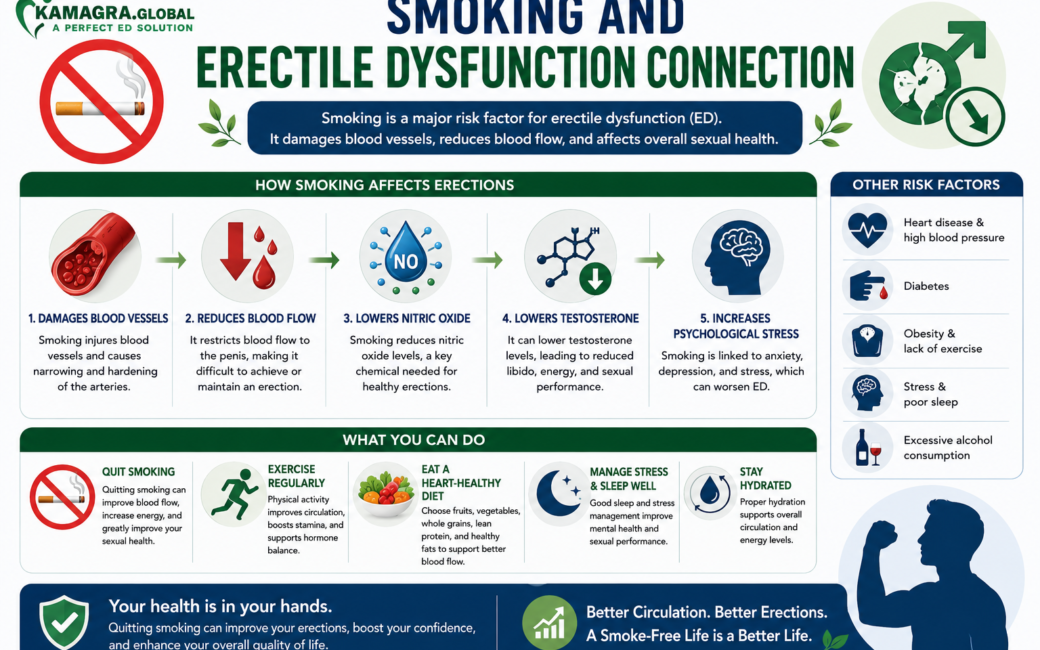
Smoking and Erectile Dysfunction Connection: Understanding the Risks
Smoking is a well-known risk factor for a variety of health problems, including heart disease, stroke, and lung cancer. However, many people are unaware of the link between smoking and erectile dysfunction (ED). ED is a common condition that affects millions of men worldwide, and smoking is a significant contributor to its development. In this article, we will explore the connection between smoking and ED, and discuss the ways in which quitting smoking can improve your overall health and reduce the risk of ED.
The Prevalence of Erectile Dysfunction
ED is a common condition that affects men of all ages. According to the American Urological Association, it is estimated that over 30 million men in the United States experience some form of ED. The prevalence of ED increases with age, with approximately 40% of men at the age of 40 experiencing some degree of ED, and over 70% of men at the age of 70 experiencing ED.
The Causes of Erectile Dysfunction
ED can be caused by a variety of factors, including:
- Physical factors, such as diabetes, high blood pressure, and atherosclerosis (the buildup of plaque in the arteries)
- Psychological factors, such as stress, anxiety, and depression
- Lifestyle factors, such as smoking, obesity, and lack of exercise
Smoking is a significant contributor to the development of ED, as it damages the blood vessels and reduces blood flow to the penis, making it difficult to achieve and maintain an erection.
The Link Between Smoking and Erectile Dysfunction
Smoking is a major risk factor for ED, as it damages the blood vessels and reduces blood flow to the penis. The chemicals in tobacco smoke, including nicotine and carbon monoxide, damage the lining of the blood vessels, making them less flexible and reducing blood flow. This can lead to a range of health problems, including ED.
Studies have shown that smoking is a significant predictor of ED, with smokers being more likely to experience ED than non-smokers. According to a study published in the Journal of Urology, smoking was found to be a significant risk factor for ED, with heavy smokers being more likely to experience ED than light smokers.
How Smoking Affects Erectile Function
Smoking affects erectile function in a number of ways, including:
- Reducing blood flow to the penis: The chemicals in tobacco smoke damage the blood vessels, reducing blood flow to the penis and making it difficult to achieve and maintain an erection.
- Damaging the lining of the blood vessels: The chemicals in tobacco smoke damage the lining of the blood vessels, making them less flexible and reducing blood flow.
- Increasing inflammation: Smoking increases inflammation in the body, which can damage the blood vessels and reduce blood flow to the penis.
These effects can lead to a range of problems, including ED, premature ejaculation, and reduced libido.
Quitting Smoking and Erectile Dysfunction
Quitting smoking is one of the most effective ways to reduce the risk of ED. Studies have shown that quitting smoking can improve erectile function and reduce the risk of ED. According to a study published in the Journal of Urology, quitting smoking was found to improve erectile function in men with ED.
There are a number of ways to quit smoking, including:
- Nicotine replacement therapy (NRT): NRT involves using products such as nicotine gum, patches, or lozenges to reduce withdrawal symptoms and cravings.
- Prescription medications: Prescription medications, such as bupropion and varenicline, can help to reduce cravings and withdrawal symptoms.
- Counseling: Counseling can provide support and guidance to help you quit smoking.
It is also important to make lifestyle changes, such as eating a healthy diet, exercising regularly, and managing stress, to reduce the risk of ED and improve overall health.
Other Lifestyle Changes to Reduce the Risk of Erectile Dysfunction
In addition to quitting smoking, there are a number of other lifestyle changes that can help to reduce the risk of ED, including:
- Eating a healthy diet: Eating a healthy diet that is rich in fruits, vegetables, and whole grains can help to reduce the risk of ED.
- Exercising regularly: Exercising regularly can help to improve blood flow and reduce the risk of ED.
- Managing stress: Managing stress through techniques such as meditation and deep breathing can help to reduce the risk of ED.
- Getting enough sleep: Getting enough sleep is important for overall health, and can help to reduce the risk of ED.
These lifestyle changes can help to improve overall health and reduce the risk of ED, as well as other health problems.
Conclusion
Smoking is a significant risk factor for ED, as it damages the blood vessels and reduces blood flow to the penis. Quitting smoking is one of the most effective ways to reduce the risk of ED, and can improve erectile function and overall health. In addition to quitting smoking, making lifestyle changes such as eating a healthy diet, exercising regularly, and managing stress can help to reduce the risk of ED. If you are experiencing ED, it is important to speak with a healthcare provider to discuss the best course of treatment.
FAQs
Q: Can quitting smoking improve erectile function?
A: Yes, quitting smoking can improve erectile function and reduce the risk of ED.
Q: How long does it take to see improvements in erectile function after quitting smoking?
A: Improvements in erectile function can be seen as soon as a few weeks after quitting smoking, but it may take several months to see significant improvements.
Q: Are there any other lifestyle changes that can help to reduce the risk of ED?
A: Yes, eating a healthy diet, exercising regularly, and managing stress can help to reduce the risk of ED.