


Early Warning Signs of Men’s Health Issues: What You Need to Know
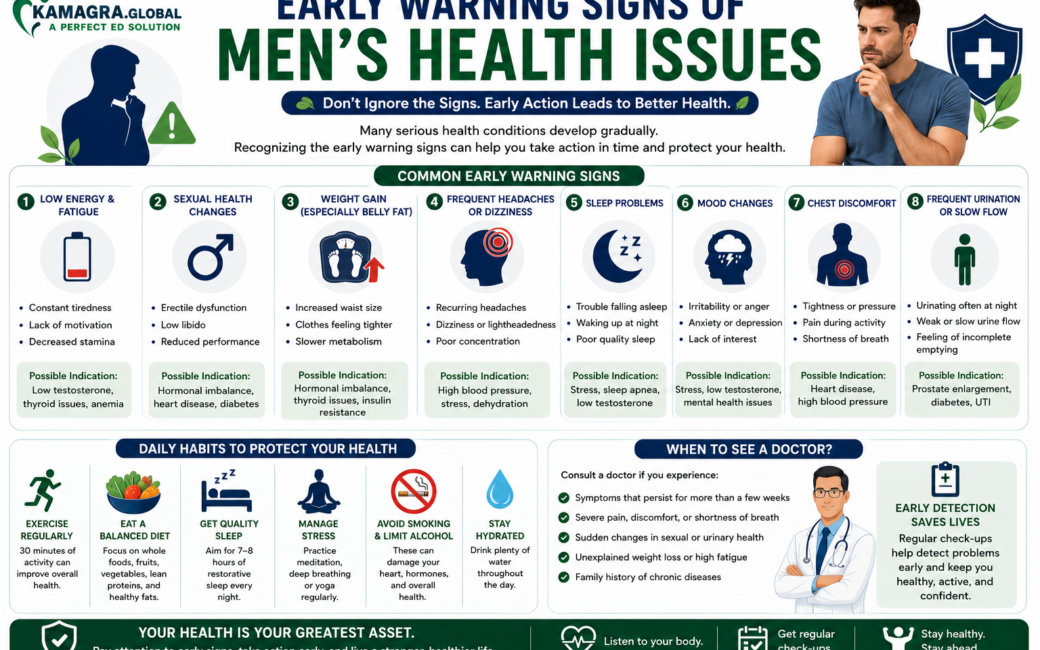
As men, we often prioritize our work, family, and social life over our health. However, neglecting our health can lead to serious consequences. Many health issues affecting men can be prevented or managed if caught early. In this article, we will discuss the early warning signs of men’s health issues, common symptoms, and risk factors associated with various health conditions.
Prostate Health
Prostate health is a significant concern for men, especially those over 50. The prostate gland is a small, walnut-sized gland located below the bladder and in front of the rectum. It plays a crucial role in the urinary and reproductive systems. Prostate cancer, prostate enlargement, and prostatitis are common health issues affecting the prostate gland.
Early warning signs of prostate health issues include:
- Difficulty starting or stopping urination
- Weak or interrupted flow of urine
- Frequent urination, especially at night
- Painful or burning sensation while urinating
- Painful ejaculation
- Blood in the urine or semen
If you experience any of these symptoms, it is essential to consult a doctor for proper diagnosis and treatment.
Heart Health
Heart disease is a leading cause of death among men worldwide. It occurs when the arteries supplying blood to the heart become narrow or blocked, leading to a heart attack. High blood pressure, high cholesterol, and smoking are significant risk factors for heart disease.
Early warning signs of heart health issues include:
- Chest pain or discomfort
- Shortness of breath
- Pain or numbness in the arms, legs, or back
- Fatigue or weakness
- Swollen legs, ankles, or feet
- Rapid or irregular heartbeat
Regular exercise, a balanced diet, and maintaining a healthy weight can help reduce the risk of heart disease.
Mental Health
Mental health is often stigmatized, especially among men. However, it is essential to prioritize mental well-being, as depression, anxiety, and other mental health conditions can significantly impact daily life.
Early warning signs of mental health issues include:
- Persistent feelings of sadness, hopelessness, or emptiness
- Loss of interest in activities or hobbies
- Changes in appetite or sleep patterns
- Difficulty concentrating or making decisions
- Physical symptoms such as headaches, stomach problems, or chronic pain
- Substance abuse or addiction
If you or someone you know is struggling with mental health issues, it is crucial to seek professional help from a therapist, counselor, or psychologist.
Other Health Issues
In addition to prostate, heart, and mental health, there are other health issues that men should be aware of. These include:
- Testicular health: Testicular cancer, epididymitis, and orchitis are common health issues affecting the testicles.
- Sexual health: Erectile dysfunction, premature ejaculation, and low libido can impact relationships and overall well-being.
- Skin health: Skin cancer, acne, and other skin conditions can affect men’s health and self-esteem.
Regular check-ups with a doctor can help identify potential health issues early, reducing the risk of complications and improving overall health.
Risk Factors
Certain risk factors can increase the likelihood of developing health issues. These include:
- Age: Many health issues, such as prostate cancer and heart disease, are more common among older men.
- Family history: A family history of health issues can increase the risk of developing the same condition.
- Lifestyle: A sedentary lifestyle, poor diet, and smoking can contribute to various health issues.
- Genetics: Genetic factors can play a role in the development of certain health conditions, such as testicular cancer.
Being aware of these risk factors can help men take proactive steps to reduce their risk and maintain overall health.
Prevention and Management
Prevention and management are key to maintaining men’s health. Here are some tips:
- Regular exercise: Engage in physical activity, such as cardio, strength training, and flexibility exercises, to maintain overall health.
- Balanced diet: Eat a healthy, balanced diet rich in fruits, vegetables, whole grains, and lean proteins.
- Healthy weight: Maintain a healthy weight to reduce the risk of chronic diseases.
- Stress management: Engage in stress-reducing activities, such as meditation, yoga, or deep breathing exercises.
- Regular check-ups: Schedule regular check-ups with a doctor to monitor health and catch potential issues early.
By following these tips, men can reduce their risk of developing health issues and maintain overall well-being.
Conclusion
Men’s health is a critical concern that should not be neglected. By being aware of the early warning signs of health issues, men can take proactive steps to protect their health. Regular check-ups, a balanced lifestyle, and stress management can help reduce the risk of chronic diseases and maintain overall well-being. Remember, it’s essential to prioritize health and seek medical attention if you experience any unusual symptoms or concerns.
Take control of your health today and make informed decisions to ensure a long, healthy, and happy life.
References:
- Centers for Disease Control and Prevention (CDC). (2022). Men’s Health.
- World Health Organization (WHO). (2022). Men’s Health.
- American Heart Association (AHA). (2022). Heart Health.
- National Institute of Mental Health (NIMH). (2022). Men’s Mental Health.